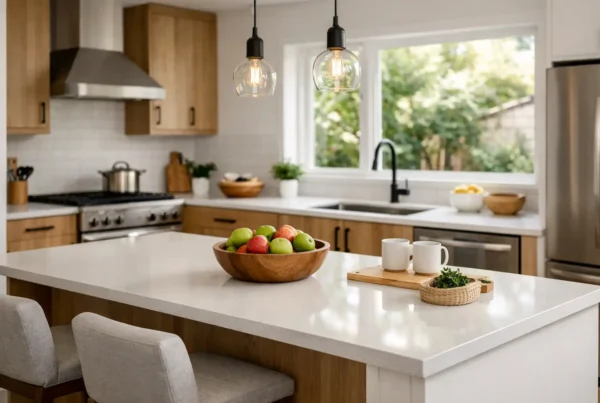
You usually feel the cabinet decision before you can explain it. One kitchen feels tailored, calm, and efficient. Another looks good at first glance but still leaves you working around awkward corners, wasted storage, or finishes that are close to right but not quite there. That is why the custom cabinets vs semi custom conversation matters so much in a kitchen remodel. It is not just about price. It is about how you want the space to function, how exact your design expectations are, and how long you plan to live with the result.
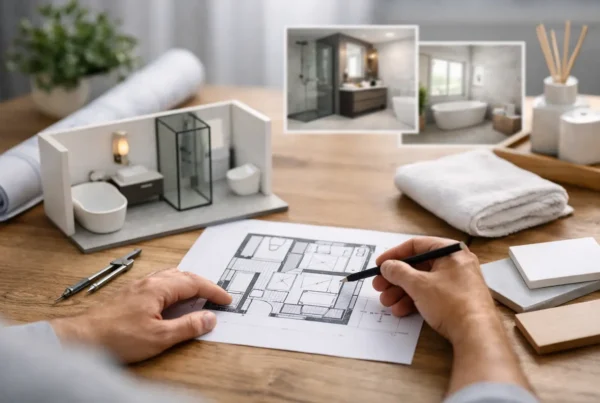
For Seattle-area homeowners, this choice often comes up once the layout is taking shape and the wish list gets real. You may want cleaner lines, better storage, a larger island, or cabinetry that fits an older home with dimensions that standard sizing does not handle well. At that point, the right cabinet path depends less on labels and more on how specific your project needs to be.
Custom cabinets vs semi custom: the real difference
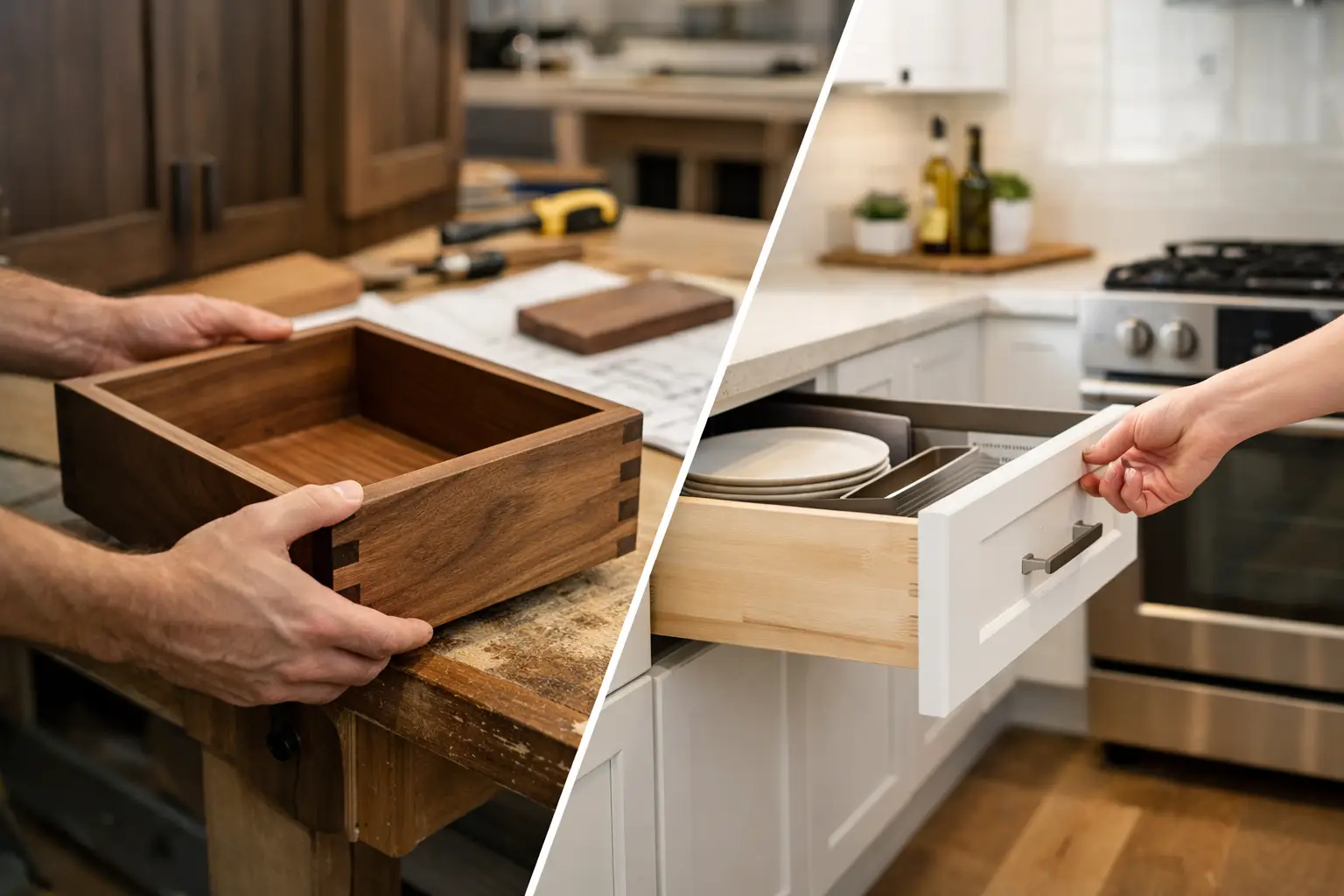
Semi-custom cabinets start with a manufacturer’s established cabinet system. You typically choose from a range of standard widths, heights, depths, door styles, finishes, and storage accessories. There is flexibility, but it happens within a framework.
Custom cabinets are built specifically for your home and your design. Dimensions can be adjusted to the fraction of an inch. Materials, construction details, finish options, storage solutions, and visual details can all be tailored around the way you live and the way the room is built.
That distinction sounds simple, but it affects nearly every part of the remodel. Semi-custom can offer a strong balance of style, function, and value when the room works well with standard sizing. Custom makes more sense when the room has unusual conditions, when storage needs are highly specific, or when the design requires precision that off-the-shelf systems cannot deliver.
When semi-custom makes excellent sense
Semi-custom cabinetry is often the smart choice for homeowners who want a meaningful upgrade without paying for flexibility they will never use. If your kitchen layout is relatively straightforward, your storage needs are common, and the cabinet line offers a finish and door style that fits your vision, semi-custom can get you to a beautiful result.
This is especially true in kitchens where the remodel is focused on improving flow, updating materials, and increasing functionality without reinventing every dimension of the room. A well-selected semi-custom line can still include pull-out organizers, trash rollouts, tray storage, glass-front accents, and other practical upgrades that improve daily use.
There is also a budgeting advantage. Semi-custom tends to cost less than fully custom cabinetry because the manufacturing process is more standardized. That can free up investment for other priorities, such as better appliances, more durable countertops, upgraded lighting, or improved flooring.
The trade-off is that you are designing within limits. Fillers may be required. Certain openings may not align perfectly with your ideal proportions. If you are very particular about symmetry, exact reveals, or maximizing every inch of storage, those limits can start to matter.
When custom cabinets are worth it
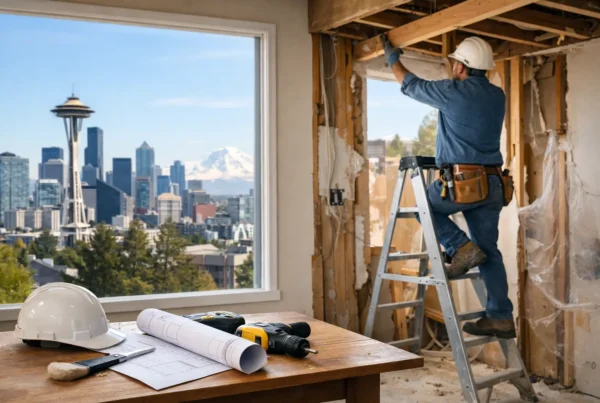
Custom cabinetry earns its value when your kitchen needs to solve problems that standard cabinet sizing does not solve well. Older Seattle homes often come with quirks such as uneven walls, unusual ceiling heights, narrow footprints, awkward soffits, and layouts that benefit from more intentional planning. In those situations, custom cabinets can turn difficult conditions into design advantages.
They also make sense when your goals go beyond a surface update. If you cook frequently, entertain often, need hidden charging areas, want integrated pantry storage, or need cabinetry that supports a specific lifestyle, custom allows the design to respond in a very direct way. Instead of asking what cabinet options exist, you ask what the room needs to do.
Aesthetic control is another major reason homeowners choose custom. If you want a very particular wood species, a custom paint match, inset construction, specialized molding details, or cabinetry that feels more like furniture than stock millwork, custom gives you that level of authorship.
That said, custom is not automatically the better choice just because it offers more. More flexibility also means more decisions, more coordination, and a larger investment. It works best when there is a clear design reason behind it.
Budget is only one part of the decision
Most homeowners begin here, and that makes sense. Custom cabinets generally cost more than semi-custom. But the more useful question is what you are buying with that added cost.
Sometimes the answer is obvious. If custom cabinetry helps avoid wasted space, improves storage enough to remove the need for additional furniture, or allows a layout that supports how your family actually uses the kitchen, that investment can be easy to justify. In other cases, semi-custom offers nearly the same visual effect for less, which may be the better use of funds.
This is where careful project planning matters. Cabinet pricing should be evaluated alongside installation details, appliance integration, trim work, and the rest of the room. A lower initial cabinet cost does not always mean a lower overall value if the result creates compromises you notice every day.
At NOR Design & Construction, those conversations are part of a broader design-build process. Homeowners benefit from looking at the entire remodel together rather than making isolated product decisions that may not support the final result.
Layout, storage, and day-to-day function
The best cabinet choice often becomes clear when you stop thinking about cabinets as boxes and start thinking about routines. Where do groceries land when you walk in the door? Where do kids grab snacks? Where does the coffee setup live? Is there enough landing space near the range? Does the island need storage on both sides?
Semi-custom cabinetry can handle many of these functions well, particularly when the space is already efficient. But custom cabinetry shines when those routines need a more exact response. A baking station, concealed appliance garage, deeply functional pantry wall, or highly organized cleanup zone often benefits from cabinetry designed around specific habits.
This is where homeowners sometimes underestimate the value of customization. It is not always about luxury details. It can be about simple things done properly, like drawers sized for your cookware, cabinets aligned to architectural features, or a pantry that holds what you actually buy.
Design consistency matters more than many people expect
Cabinetry does a lot of visual heavy lifting in a kitchen. It establishes proportions, materials, color, and often the overall character of the space. Whether you prefer a warm Northwest look, a clean modern palette, or a more classic transitional kitchen, consistency matters.
Semi-custom lines can absolutely create a polished design, but only if the available options line up with the rest of your vision. If they do not, the room can start to feel like a series of close-enough decisions. Custom cabinets reduce that risk because they allow the design to stay cohesive from the beginning.
For homeowners investing in a long-term remodel, that cohesion matters. You want the finished kitchen to feel intentional, not pieced together from separate compromises.
Custom cabinets vs semi custom for Seattle-area homes
In the Seattle area, home style often influences the right answer. A newer home with a predictable footprint may be a strong candidate for semi-custom cabinetry, especially if the remodel is focused on upgrading finishes and improving storage. An older home, or one with architectural details worth preserving, may benefit far more from custom cabinetry that fits the space with precision.
Climate and lifestyle can also shape the decision. Busy households, frequent entertaining, and open-concept living all place more pressure on kitchen performance. When the kitchen needs to work hard and look refined from every angle, the value of a tailored cabinet plan becomes more apparent.
So which one should you choose?
If you want a high-quality kitchen with good flexibility, a reasonable lead time, and smart use of your budget, semi-custom may be the right fit. If your home has quirks, your design standards are exacting, or your kitchen needs to support highly specific routines, custom is often worth the added investment.
The key is not choosing the most expensive option. It is choosing the option that matches your home, your priorities, and the level of precision your remodel deserves. If you are weighing those choices and want guidance grounded in design, craftsmanship, and clear planning, NOR Design & Construction can help you evaluate the cabinet path that makes the most sense for the way you live.
A well-designed kitchen should feel easy to use, easy to love, and right for your home long after the remodel is finished.