If you have ever tried to coordinate a designer, a contractor, and a handful of specialty trades on your own, you already know how quickly a remodel can become a management job. That is usually the moment homeowners start asking, what is design build remodeling, and why do so many people prefer it over the traditional approach?
Design-build remodeling is a project delivery method where one company manages both the design and the construction of your remodel. Instead of hiring a designer first and then finding a separate contractor to interpret those plans, you work with a single team from the start. That team develops the layout, refines the details, helps with selections, plans the budget, and carries the work through construction.
For homeowners, that changes more than who sits at the table. It changes how decisions get made, how problems are solved, and how much stress the process creates.
What is design build remodeling in practical terms?
At its core, design-build remodeling brings design and construction under one roof. The same company is responsible for the creative vision and the real-world execution. That means the people drawing your kitchen layout are also thinking about framing conditions, electrical planning, permitting, installation sequencing, and how your material choices affect cost.
In a more traditional model, the workflow is often split. A designer or architect creates the plans, then the homeowner shops those plans to contractors for pricing. That can work, but it often creates gaps. A beautiful idea may turn out to be over budget. A contractor may suggest revisions after the design is complete. Selections may not be finalized when pricing starts, which can lead to allowances, revisions, and moving targets.
In design-build remodeling, those conversations happen earlier. The design side and the construction side are working together while the project is still taking shape. As a result, homeowners usually get clearer guidance, fewer disconnects, and a more organized path from concept to completion.
Why homeowners choose design-build
Most homeowners are not looking for a lesson in project delivery methods. They want a remodeled home that feels thoughtful, functions well, and does not require them to act as the referee between multiple companies.
That is where design-build tends to stand out.
When one team handles the full process, communication becomes more direct. Questions about layout, cost, lead times, or feasibility do not need to travel through separate firms with separate priorities. The team is aligned around the same plan and the same end result.
That alignment often leads to better decision-making. If you are remodeling a bathroom and want a larger shower, a recessed niche, heated floors, custom vanity storage, and better lighting, those choices affect one another. In a design-build setting, those elements are considered together, not as isolated decisions made at different stages.
There is also more accountability. If design and construction are separated, homeowners can get caught in the middle when something does not translate cleanly from paper to job site. In a design-build model, one company owns the process. That matters when timelines shift, field conditions change, or selections need to be adjusted.
How the process usually works
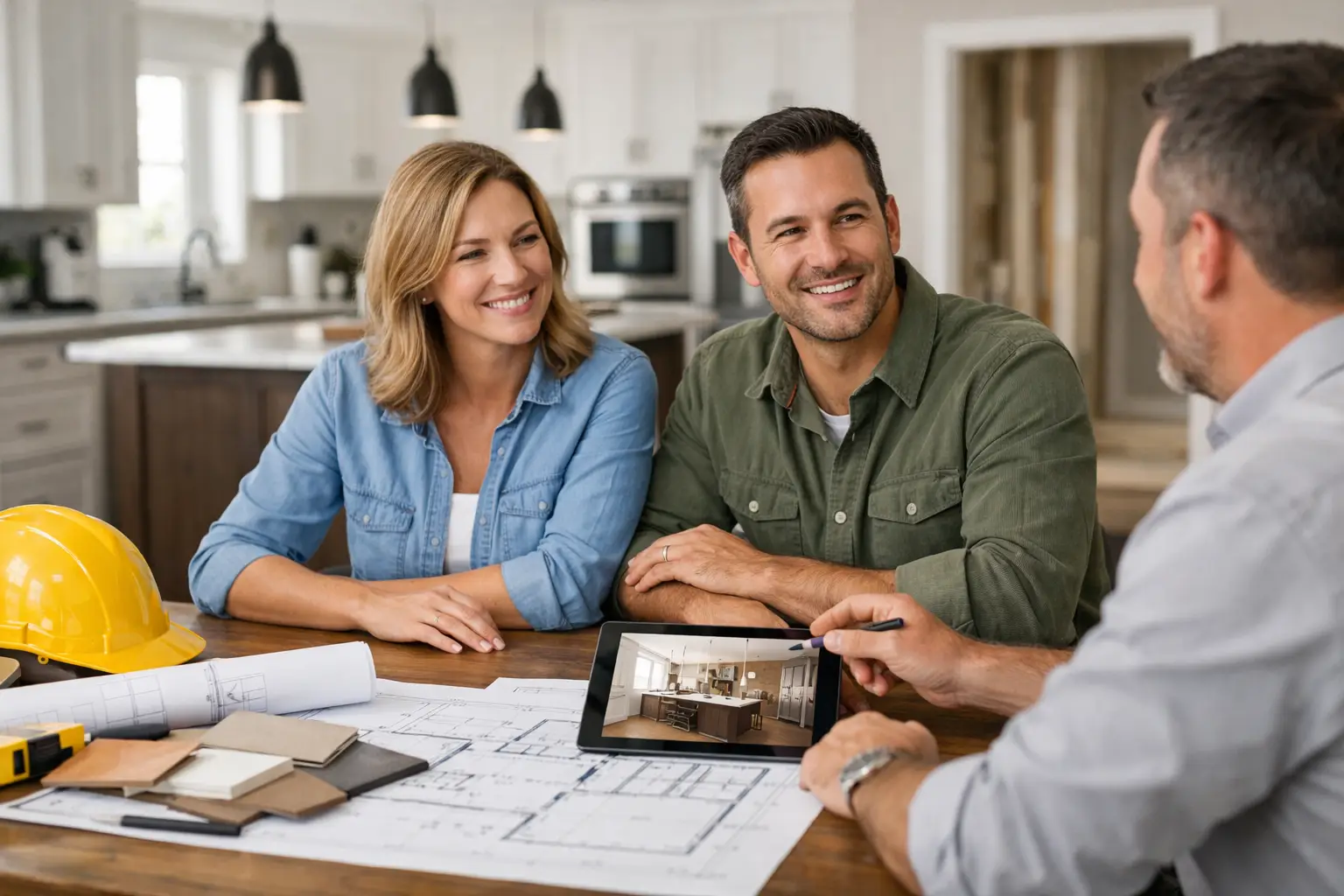
While every firm has its own process, design-build remodeling typically starts with a consultation. This is where the team learns about your home, your goals, how you live in the space, and what is not working today.
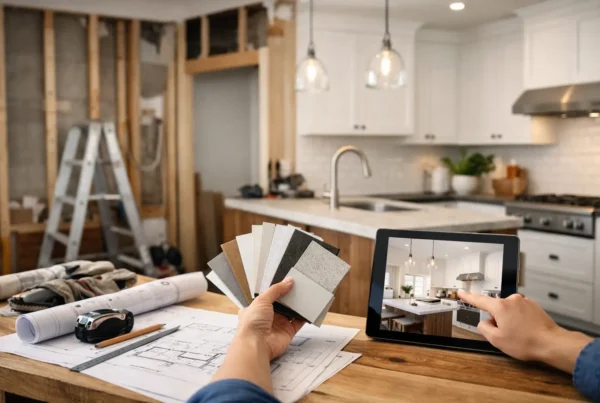
From there, the design phase begins. This may include measuring the existing space, developing floor plans, discussing style direction, reviewing inspiration, and narrowing down materials and finishes. The goal is not only to create something attractive, but to create something buildable, functional, and aligned with your priorities.
As the design develops, construction planning happens alongside it. That can include budgeting, scope definition, permit preparation, trade coordination, and evaluating product lead times. This is one of the biggest advantages of design-build. Pricing and planning are not afterthoughts. They are built into the process.
Once the design is finalized and the project scope is clearly defined, construction begins. Since the same team has already guided the project through planning, the transition to building is more efficient. Everyone is working from the same information, and the homeowner is not starting over with a new company that needs to reinterpret the project.
The biggest difference from the traditional remodeling model
The traditional design-bid-build model separates the project into phases handled by different parties. One professional designs the project. Contractors then bid on those plans. The homeowner chooses a builder and moves forward.
That structure is not automatically wrong. In some cases, it can be the right fit, especially for very specific project types or homeowners who want to manage multiple relationships themselves. But it tends to create more handoffs, and every handoff introduces room for confusion.
Design-build reduces those handoffs. It is a more integrated process, which usually means fewer surprises and more consistent guidance.
There is also an important pricing difference. Many remodeling companies rely heavily on estimates early in the process because details are still unresolved. A more structured design-build firm can often provide a clearer project bid once the scope is developed and selections are defined. For homeowners, that means better visibility into what is actually included and fewer assumptions hiding in the numbers.
Is design-build always the better choice?
Not automatically. Like any remodeling approach, it depends on your goals and how involved you want to be.
If you enjoy sourcing your own professionals, coordinating conversations, and managing separate contracts, a traditional route may feel comfortable. Some homeowners prefer that level of control.
But if you want a guided process, a cohesive result, and one team responsible for both the vision and the execution, design-build is often the stronger choice. It is especially valuable for kitchens, bathrooms, whole-home renovations, and projects where layout, materials, function, and construction details all need to work together.
It is also a strong fit for busy households. Seattle-area homeowners balancing work, family life, and the realities of living through a remodel usually benefit from having a single point of accountability.
What design-build remodeling looks like in real life
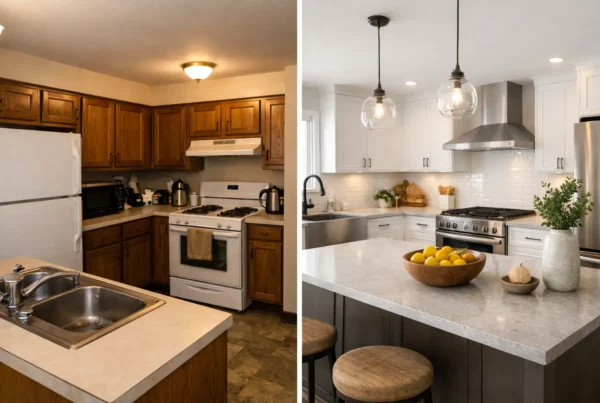
Imagine a kitchen remodel in an older home. The homeowner wants more storage, better traffic flow, stronger lighting, and a finished look that feels elevated but still easy to live with.
In a fragmented process, the homeowner might hire a designer to create plans, then meet with several contractors to get pricing. One contractor may point out that a proposed layout affects plumbing more than expected. Another may say the appliance plan needs adjustment. Cabinet selections may change after pricing, which changes the budget again.
In a design-build process, those issues are addressed while the project is still being designed. The team can weigh layout changes against construction realities, recommend materials that fit the design and the budget, and plan for details such as under-cabinet lighting, ventilation, storage accessories, and trim work before construction starts.
The same logic applies to a bathroom or whole-home renovation. Good remodeling is not just about making a space look new. It is about making the home work better for real life. That takes coordination between design intent and construction knowledge.
What to ask before hiring a design-build firm
Not every firm that uses the phrase design-build offers the same level of service. Some truly provide an end-to-end process. Others may still leave major decisions or coordination responsibilities with the homeowner.
Ask how the design phase is structured, who will guide material selections, how pricing is developed, and what happens before construction begins. You should also ask who is responsible for permits, scheduling, project management, and communication during the build.
Pay attention to how the firm talks about planning. Strong design-build teams do not rush past details. They know that clear drawings, defined selections, and realistic budgets make construction smoother.
It is also worth asking how personalized the process is. A well-run remodel should reflect how you cook, host, store, relax, and move through your home. Good design-build remodeling is not one-size-fits-all. It is tailored to the people who live there.
Why this model continues to grow
Homeowners are asking more from their homes than they did a decade ago. Kitchens need to support daily meals, entertaining, homework, and storage. Bathrooms need to feel efficient and calming. Whole homes often need to adapt to remote work, multigenerational living, or a better balance between openness and privacy.
That level of change requires more than construction alone. It requires design thinking, planning discipline, and craftsmanship that can carry the vision through to the finish line.
That is why design-build remodeling continues to resonate. It gives homeowners a more connected process and a better chance of ending up with spaces that feel cohesive, intentional, and truly livable. For firms like NOR Design & Construction the goal is not simply to remodel a room. It is to create a home that supports the way you want to live, with a process that feels informed, organized, and personal from the first conversation onward.
If you are weighing your options, the best question may not be whether design-build is trendy or traditional. It is whether you want your remodel managed as a collection of separate tasks, or as one carefully planned experience shaped around your home and your life.